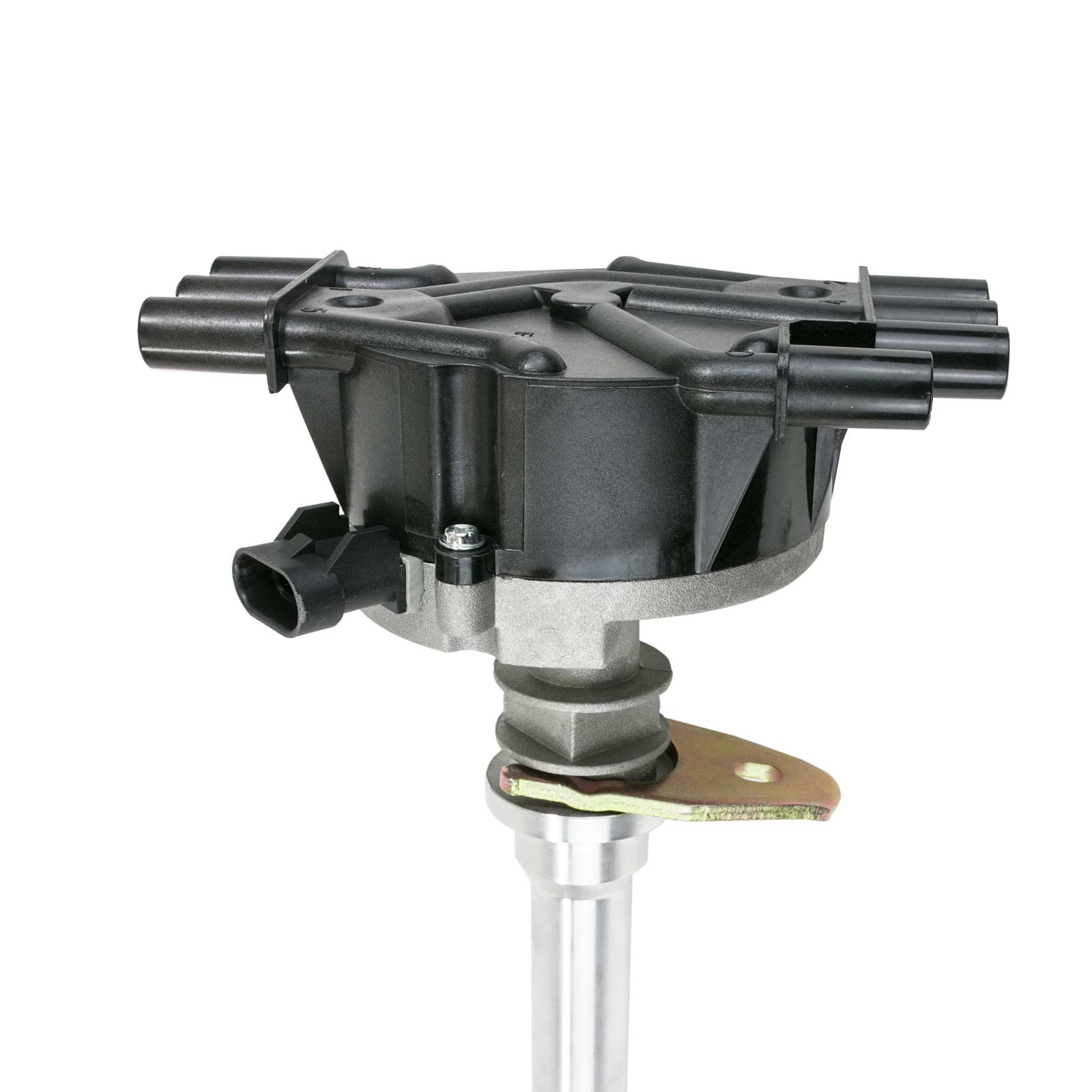
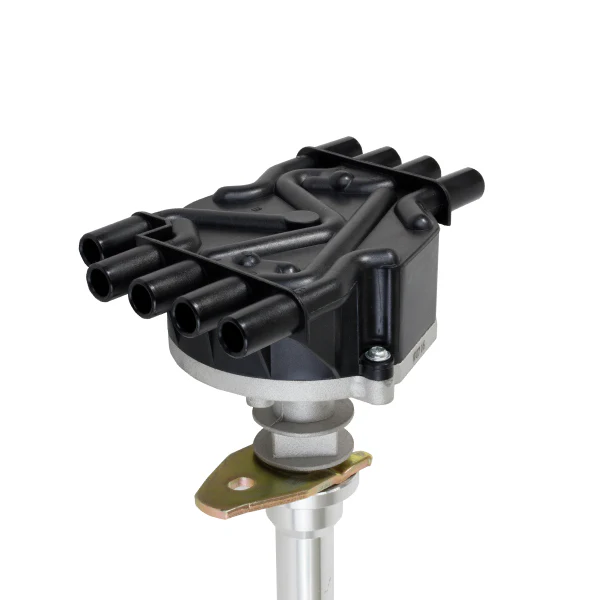
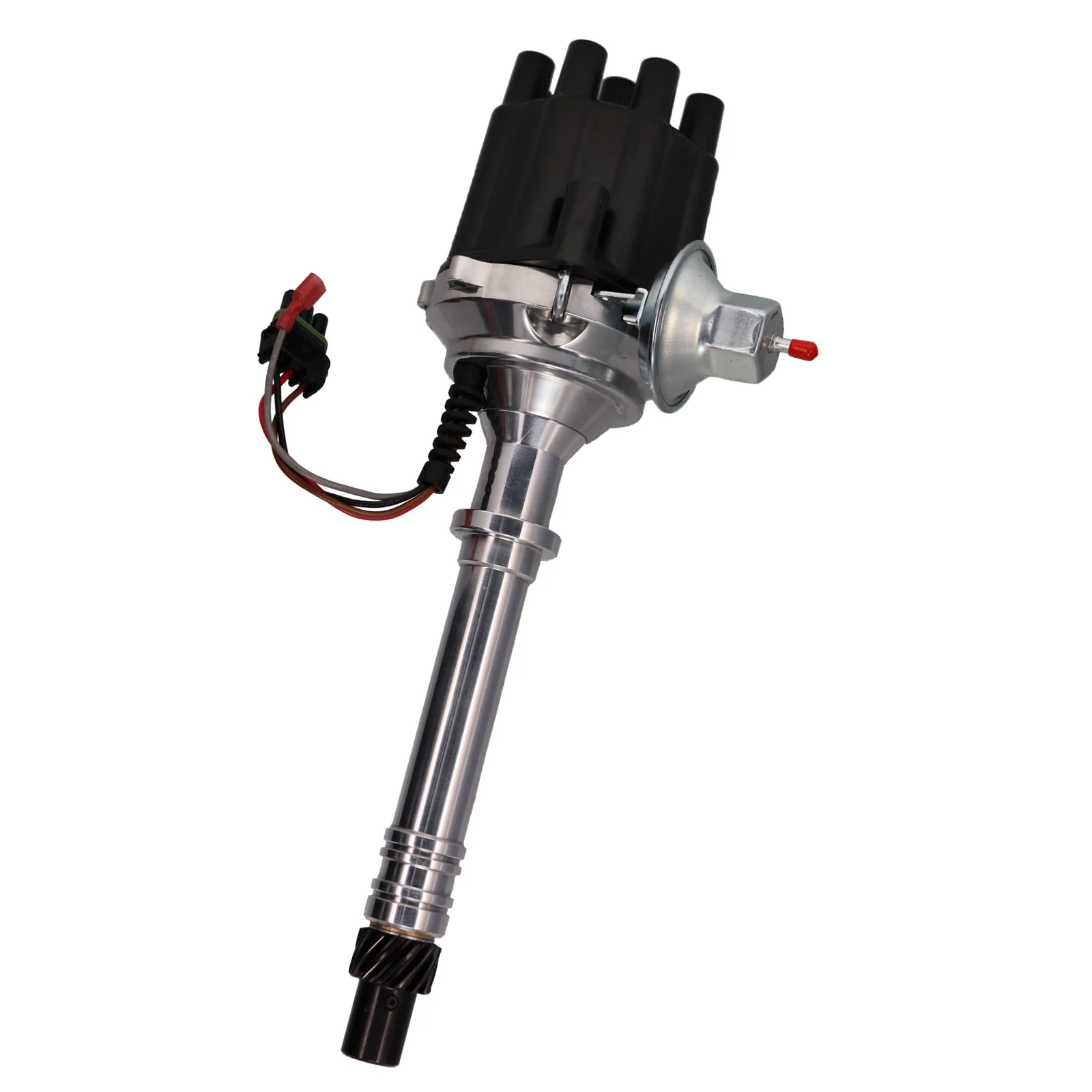
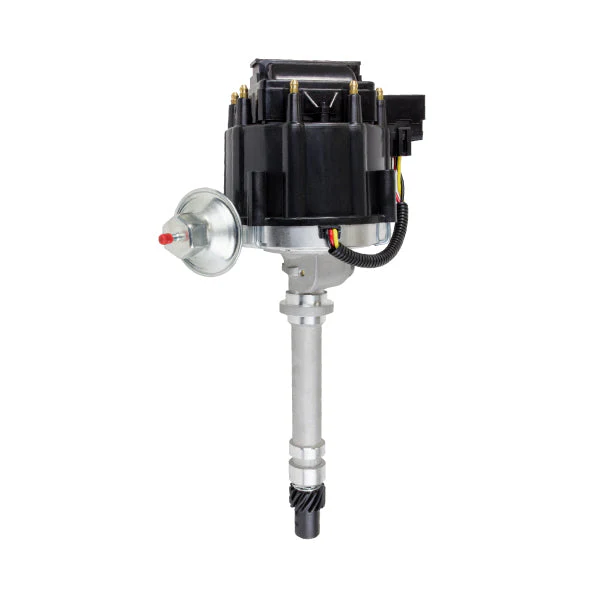
Chevrolet 1992-1994 LT1 Gen. 1 Opti-Spark I Distributor
The TSP Opti-Spark I Distributor is a direct OEM-replacement unit for the Chevrolet Gen. II LT1 optical distributor used in 1992 through 1994 applications. The Opti-Spark I uses an optical (infrared) trigger system to send crank position signals to the PCM — all ignition timing advance is managed electronically by the engine computer, with no mechanical or vacuum advance. This replacement unit restores factory-spec ignition signal accuracy for LT1-powered vehicles experiencing optical trigger failure, rough idle, misfires, hard starting, or distributor-related fault codes.
This is an Opti-Spark I unit — 1992 through 1994 only. The 1995–1997 LT1 uses a redesigned Opti-Spark II with a different connector and different internal design. Opti-Spark I and II are not interchangeable. Verify your model year before ordering.
The #1 cause of Opti-Spark failure is water intrusion. The Opti-Spark mounts at the front of the LT1 engine directly beneath the water pump. A weeping or leaking water pump allows coolant and moisture to enter the distributor housing, destroying the optical trigger assembly. Before installing this or any replacement Opti-Spark unit, inspect the water pump for leaks and replace it if any seepage is present — installing a new distributor on a leaking water pump will result in the same failure. The Opti-Spark I also features vent holes and a vent hose system designed to prevent moisture buildup inside the housing. The vent hose must be connected during installation.
Engine fitment covers the Chevrolet LT1 5.7L (350 CID) Gen. II small block and the 1994-only L99 4.3L (265 CID) "Baby LT1" used in the Caprice. Supported vehicles include the C4 Corvette (1992–1994), Camaro Z28 (1993–1994), Pontiac Firebird Formula and Trans Am (1993–1994), Chevrolet Caprice (1994), Buick Roadmaster (1994), Cadillac Fleetwood (1994), and Chevrolet Impala SS (1994).
Understanding the LT1 Opti-Spark I System
The Opti-Spark distributor is one of the most distinctive ignition systems ever used in a production American V8. Unlike conventional rear-mounted distributors, the Opti-Spark mounts at the front of the LT1 engine block beneath the water pump and is driven directly off the camshaft. Inside the housing, an optical trigger system uses infrared light to read a slotted disc rotating with the camshaft — generating high-resolution crank and cam position signals that feed directly to the PCM. The engine computer uses these signals to control ignition timing with greater precision than a conventional magnetic pickup distributor. All timing advance is managed electronically — there is no distributor advance mechanism to adjust or tune.
This design made the LT1 one of the most precisely timed production engines of its era. But the mounting location — directly under the water pump — made the Opti-Spark vulnerable to moisture from water pump weepage, coolant leaks, and condensation. When moisture reaches the optical assembly, signal accuracy degrades and eventually fails entirely. Symptoms of a failing Opti-Spark include rough idle, misfires, hard starting, poor cold start performance, and PCM fault codes related to distributor signal loss.
Before Installing a Replacement Opti-Spark
Replacing the distributor without addressing the source of moisture will result in the same failure on the new unit. Before installing this replacement:
— Inspect the water pump for any signs of weeping, seepage, or coolant leaks at the pump-to-block interface
— Inspect the vent hoses on the existing distributor for blockage, collapse, or disconnection
— Confirm the distributor housing shows no signs of cracking or physical damage that could allow moisture entry
— Replace the water pump if any leaks are found before installing the new distributor
Opti-Spark I vs. Opti-Spark II — Critical Year Distinction
GM redesigned the Opti-Spark for the 1995 model year. The Opti-Spark I (1992–1994) and Opti-Spark II (1995–1997) use different internal designs and different connector configurations — they are not interchangeable. This listing is for the Opti-Spark I only. Verify your vehicle's model year before ordering.
COMPATIBLE WITH
CHEVROLET SMALL BLOCK V8 GEN. II (LT-Based)
• 4.3 L / 265 in³ L99, commonly referred to as "Baby LT1" (1994 Caprice only)
• 5.7 L / 350 in³ LT1
NOTES
• Direct replacement for the Gen. 1 (Opti-Spark I) computer-controlled distributor used in 1992–1994 LT1 applications.
• Not compatible with Gen. 2 (Opti-Spark II) used in 1995–1997 LT1 applications.
• Not compatible with Gen. I small block Chevy V8 engines (350, 327, etc.).
• Requires factory EFI and PCM — not for carbureted conversions.
• External coil required; coil not included.
COMMON VEHICLE APPLICATIONS
Chevrolet Corvette C4 (1992–1994)
Chevrolet Camaro Z28 (1993–1994)
Pontiac Firebird Formula / Trans Am (1993–1994)
Chevrolet Caprice / Impala SS (1994 only)
Buick Roadmaster (1994 only)
Cadillac Fleetwood (1994 only)
SPECIFICATIONS
Trigger Type: Optical
Advance Type: Computer-Controlled
Terminal Gender: Crab-Style Female
Mechanical Tach Drive: No
Color: Black
Slip Collar: No
Coil Included: No
Coil Type: External
Housing Material: Cast Aluminum
Ignition Box Required: No
Marine Use: No
Cylinders: 8
Product Information
Product Information
Shipping & Returns
Shipping & Returns
Description
The TSP Opti-Spark I Distributor is a direct OEM-replacement unit for the Chevrolet Gen. II LT1 optical distributor used in 1992 through 1994 applications. The Opti-Spark I uses an optical (infrared) trigger system to send crank position signals to the PCM — all ignition timing advance is managed electronically by the engine computer, with no mechanical or vacuum advance. This replacement unit restores factory-spec ignition signal accuracy for LT1-powered vehicles experiencing optical trigger failure, rough idle, misfires, hard starting, or distributor-related fault codes.
This is an Opti-Spark I unit — 1992 through 1994 only. The 1995–1997 LT1 uses a redesigned Opti-Spark II with a different connector and different internal design. Opti-Spark I and II are not interchangeable. Verify your model year before ordering.
The #1 cause of Opti-Spark failure is water intrusion. The Opti-Spark mounts at the front of the LT1 engine directly beneath the water pump. A weeping or leaking water pump allows coolant and moisture to enter the distributor housing, destroying the optical trigger assembly. Before installing this or any replacement Opti-Spark unit, inspect the water pump for leaks and replace it if any seepage is present — installing a new distributor on a leaking water pump will result in the same failure. The Opti-Spark I also features vent holes and a vent hose system designed to prevent moisture buildup inside the housing. The vent hose must be connected during installation.
Engine fitment covers the Chevrolet LT1 5.7L (350 CID) Gen. II small block and the 1994-only L99 4.3L (265 CID) "Baby LT1" used in the Caprice. Supported vehicles include the C4 Corvette (1992–1994), Camaro Z28 (1993–1994), Pontiac Firebird Formula and Trans Am (1993–1994), Chevrolet Caprice (1994), Buick Roadmaster (1994), Cadillac Fleetwood (1994), and Chevrolet Impala SS (1994).
Understanding the LT1 Opti-Spark I System
The Opti-Spark distributor is one of the most distinctive ignition systems ever used in a production American V8. Unlike conventional rear-mounted distributors, the Opti-Spark mounts at the front of the LT1 engine block beneath the water pump and is driven directly off the camshaft. Inside the housing, an optical trigger system uses infrared light to read a slotted disc rotating with the camshaft — generating high-resolution crank and cam position signals that feed directly to the PCM. The engine computer uses these signals to control ignition timing with greater precision than a conventional magnetic pickup distributor. All timing advance is managed electronically — there is no distributor advance mechanism to adjust or tune.
This design made the LT1 one of the most precisely timed production engines of its era. But the mounting location — directly under the water pump — made the Opti-Spark vulnerable to moisture from water pump weepage, coolant leaks, and condensation. When moisture reaches the optical assembly, signal accuracy degrades and eventually fails entirely. Symptoms of a failing Opti-Spark include rough idle, misfires, hard starting, poor cold start performance, and PCM fault codes related to distributor signal loss.
Before Installing a Replacement Opti-Spark
Replacing the distributor without addressing the source of moisture will result in the same failure on the new unit. Before installing this replacement:
— Inspect the water pump for any signs of weeping, seepage, or coolant leaks at the pump-to-block interface
— Inspect the vent hoses on the existing distributor for blockage, collapse, or disconnection
— Confirm the distributor housing shows no signs of cracking or physical damage that could allow moisture entry
— Replace the water pump if any leaks are found before installing the new distributor
Opti-Spark I vs. Opti-Spark II — Critical Year Distinction
GM redesigned the Opti-Spark for the 1995 model year. The Opti-Spark I (1992–1994) and Opti-Spark II (1995–1997) use different internal designs and different connector configurations — they are not interchangeable. This listing is for the Opti-Spark I only. Verify your vehicle's model year before ordering.
COMPATIBLE WITH
CHEVROLET SMALL BLOCK V8 GEN. II (LT-Based)
• 4.3 L / 265 in³ L99, commonly referred to as "Baby LT1" (1994 Caprice only)
• 5.7 L / 350 in³ LT1
NOTES
• Direct replacement for the Gen. 1 (Opti-Spark I) computer-controlled distributor used in 1992–1994 LT1 applications.
• Not compatible with Gen. 2 (Opti-Spark II) used in 1995–1997 LT1 applications.
• Not compatible with Gen. I small block Chevy V8 engines (350, 327, etc.).
• Requires factory EFI and PCM — not for carbureted conversions.
• External coil required; coil not included.
COMMON VEHICLE APPLICATIONS
Chevrolet Corvette C4 (1992–1994)
Chevrolet Camaro Z28 (1993–1994)
Pontiac Firebird Formula / Trans Am (1993–1994)
Chevrolet Caprice / Impala SS (1994 only)
Buick Roadmaster (1994 only)
Cadillac Fleetwood (1994 only)
SPECIFICATIONS
Trigger Type: Optical
Advance Type: Computer-Controlled
Terminal Gender: Crab-Style Female
Mechanical Tach Drive: No
Color: Black
Slip Collar: No
Coil Included: No
Coil Type: External
Housing Material: Cast Aluminum
Ignition Box Required: No
Marine Use: No
Cylinders: 8